



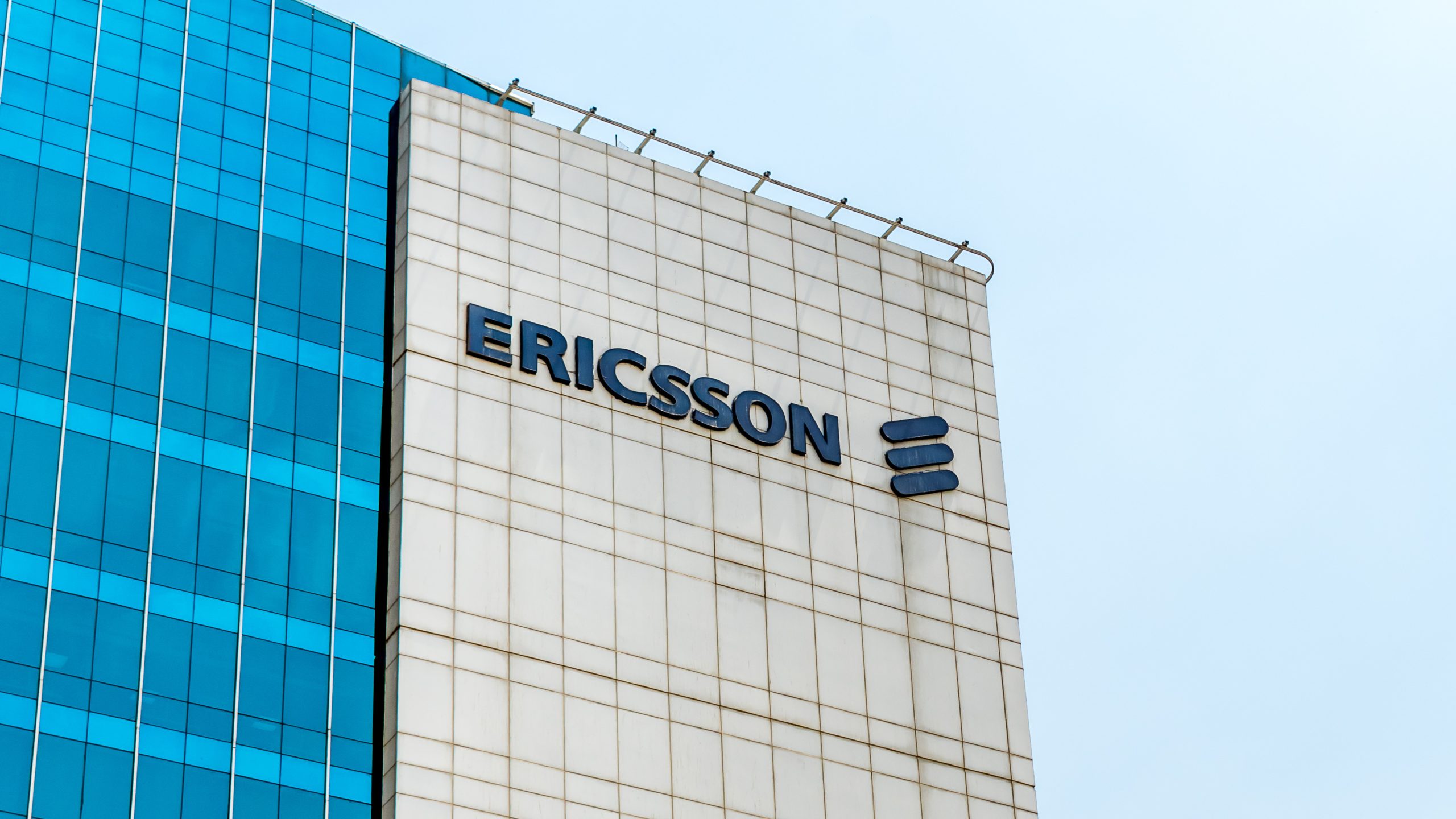
Swedish telecom vendor Ericsson announced the establishment of a new Radio Access Network (RAN) Software Research and Development (R&D) unit in Bengaluru, further expanding its footprint in India. The new center will focus on developing 5G and 5G Advanced features for the company’s 5G baseband, strengthening Ericsson’s global software development capabilities.
The initiative marks another step in Ericsson’s ongoing R&D expansion across India, following the company’s recent growth in ASIC development announced in June 2025. Together, these moves reflect India’s growing role in Ericsson’s global innovation strategy.
Bengaluru’s strong software engineering ecosystem and concentration of global telecom companies make it an ideal hub for Ericsson’s newest R&D operation. The Bengaluru unit will collaborate closely with Ericsson’s global RAN software teams to develop next-generation network solutions.
Nitin Bansal, Managing Director of Ericsson India and Head of Network Solutions, Market Area South East Asia, Oceania and India, said the new R&D center reinforces Ericsson’s long-term commitment to India. “Setting up the R&D center in India for RAN software development represents a significant step forward towards strengthening our R&D operations in India. Even as we leverage Indian software talent, we are also contributing to building the knowledge base and the telecom ecosystem in the country,” he said.
David Bjore, Head of RAN Software and Compute Platforms at Ericsson, said India is increasingly central to Ericsson’s next-generation technology work. “This latest Ericsson R&D investment and commitment shows how important India is to our work on next-generation technology. For the first time, we’re developing RAN software in India, which not only supports India’s rising tech scene but also enables us to create solutions that can have a global impact,” he said.
The Bengaluru R&D expansion adds to Ericsson’s growing technology footprint in India. The company recently expanded its ASIC development capabilities to support the local semiconductor ecosystem. In addition, Ericsson is working with IIT Madras to advance AI research for 6G networks and with IIT Kharagpur and the Indian Statistical Institute to explore cyber-physical systems, AI-driven networks, and edge computing.
Globally, Ericsson invests around USD 5 billion annually in R&D across domains such as Transport, Packet Core, OSS, BSS, Cloud, and AI. Its three major Indian R&D hubs in Chennai, Bengaluru, and Gurugram now play a pivotal role in advancing 5G, 6G, and AI innovation for global telecom networks.