

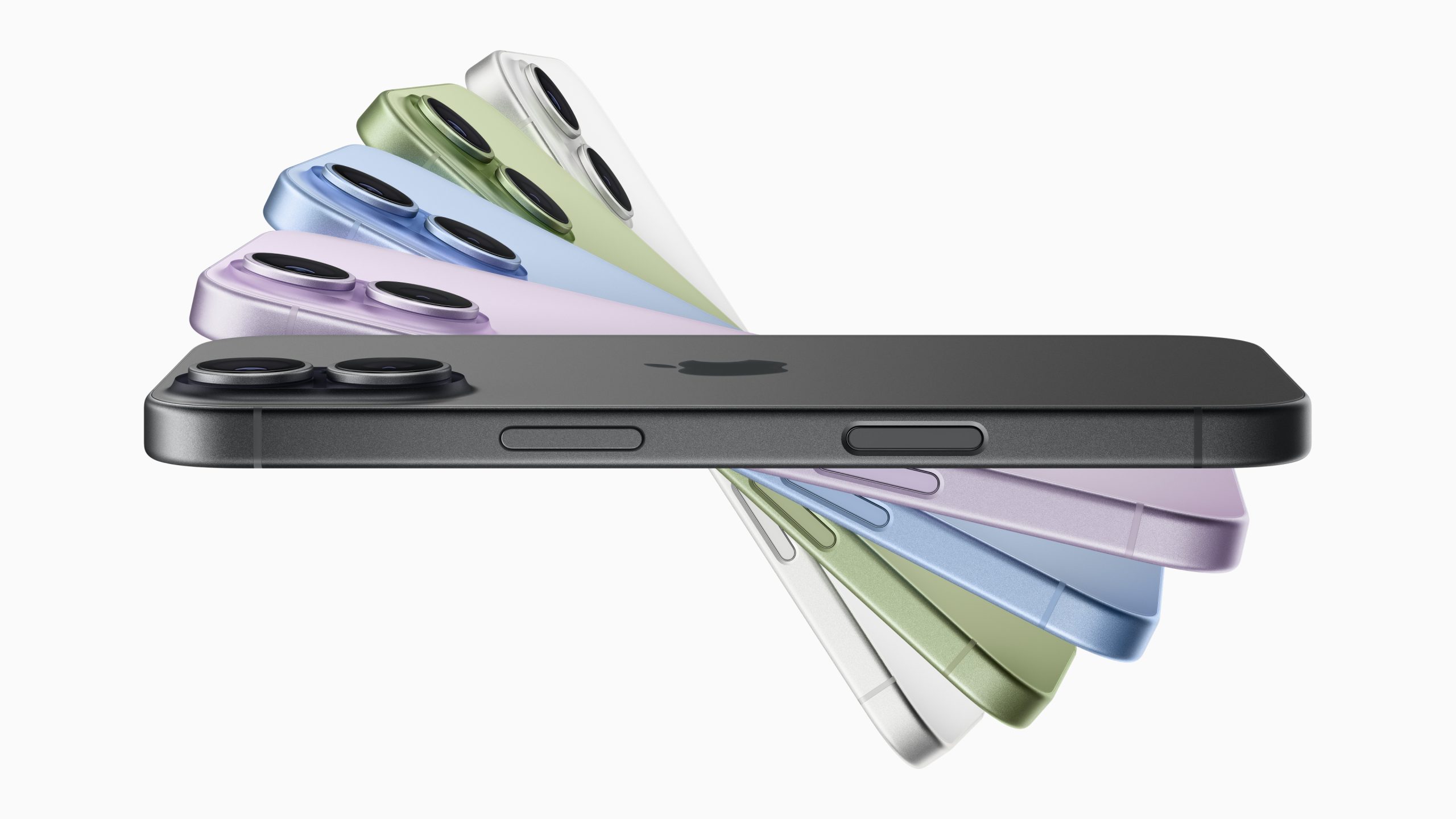
Apple’s iPhone 17 series is positioned as its most enterprise-ready smartphone yet. With a new A19 chip, enhanced security features, and expanded storage, the device is designed for professionals who rely on mobility, collaboration, and secure workflows. But as early feedback reveals, durability concerns, a polarizing redesign, and questions about upgrade value could complicate adoption for corporate IT teams.
Enterprise-Grade Enhancements
Performance & AI Workflows: The A19 processor (3nm, with Neural Acceleration) delivers up to six times faster AI task performance. For industries leveraging AI-driven apps—such as finance, healthcare, or logistics—the potential is significant. However, for routine business applications like email, conferencing, or standard office productivity tools, the leap may feel incremental.
Display & Presentations: The Super Retina XDR ProMotion display offers 120Hz refresh rate and up to 3,000 nits brightness, enabling crisp visuals in client presentations, video calls, or outdoor work. Yet, the bold design and full-width camera island have split opinions, with some professionals questioning whether the look fits well in executive settings.
Connectivity for the Future: The N1 wireless chip introduces Wi-Fi 7 and Bluetooth 6, delivering up to 2x Wi-Fi 6 speeds. While this promises smoother cloud access and faster collaboration, the benefits will only materialize in offices and campuses that have upgraded to Wi-Fi 7 networks.
Storage & File Handling: By starting at 256GB of storage, Apple addresses the enterprise need to handle large apps, documents, and media files. The trade-off: no entry-level 128GB option means higher costs for mass deployment. For IT procurement, this raises total device ownership costs.
Security & Device Management: Apple has strengthened iOS 17’s enterprise security with memory integrity protection and more robust mobile device management (MDM) configurations. For compliance-heavy sectors (banking, insurance, government), these features help reduce risk. Still, IT admins note that many of these improvements build incrementally on iOS 16 rather than introducing radical new controls.
Cameras for Hybrid Work: The 48MP main and ultra-wide cameras are optimized for high-quality video conferencing and document capture. This enhances hybrid collaboration, particularly in industries dependent on remote communication. However, Apple has acknowledged a rare camera glitch that introduces black squares under certain LED lighting—an issue awaiting a software patch.
Battery & Power Management: With 30 hours of video playback and 50% charge in just 20 minutes, the iPhone 17 supports heavy business use. Yet, field professionals may find the Pro models bulky, and even the slim iPhone Air is heavier than past compact designs.
Challenges Highlighted in Early Feedback
Durability: Dark-colored models (blue, orange Pro and black Air) show scratching easily. The return from titanium to aluminum may be a key factor.
Divisive Redesign: The textured glass finish and oversized camera island have polarized opinions, with some reviewers calling the design more “Android-like.”
Camera Glitch: The black-square issue in photos under bright LED lighting is minor but has raised concerns about reliability.
Upgrade Justification: Enterprises with iPhone 15 or 16 devices may see little business case for immediate replacement.
Weight & Ergonomics: Larger Pro models and the heavier Air can be inconvenient for mobile workers in the field.
Enterprise Outlook
For businesses that prioritize top-tier performance, secure device management, and future-ready wireless standards, the iPhone 17 is an attractive option. However, ROI and practicality remain key questions.
Selective Deployment: Organizations may choose to deploy the iPhone 17 for high-performance users (executives, data-heavy teams) while retaining older devices for broader staff.
Durability Considerations: Field teams may prefer lighter, more rugged alternatives until Apple addresses concerns with materials.
Timing of Upgrade: With the iPhone 15 and 16 still highly capable, many IT leaders may delay fleet-wide upgrades until durability and software refinements are proven.
The iPhone 17 is a powerful enterprise device that strengthens Apple’s position in business mobility. But for IT leaders, the decision to upgrade will hinge not only on performance gains but also on practical usability, durability, and total cost of ownership.
Verdict for Enterprises:
Ideal for performance-driven roles and early adopters, but a cautious rollout strategy may serve businesses better until Apple refines durability and design concerns.