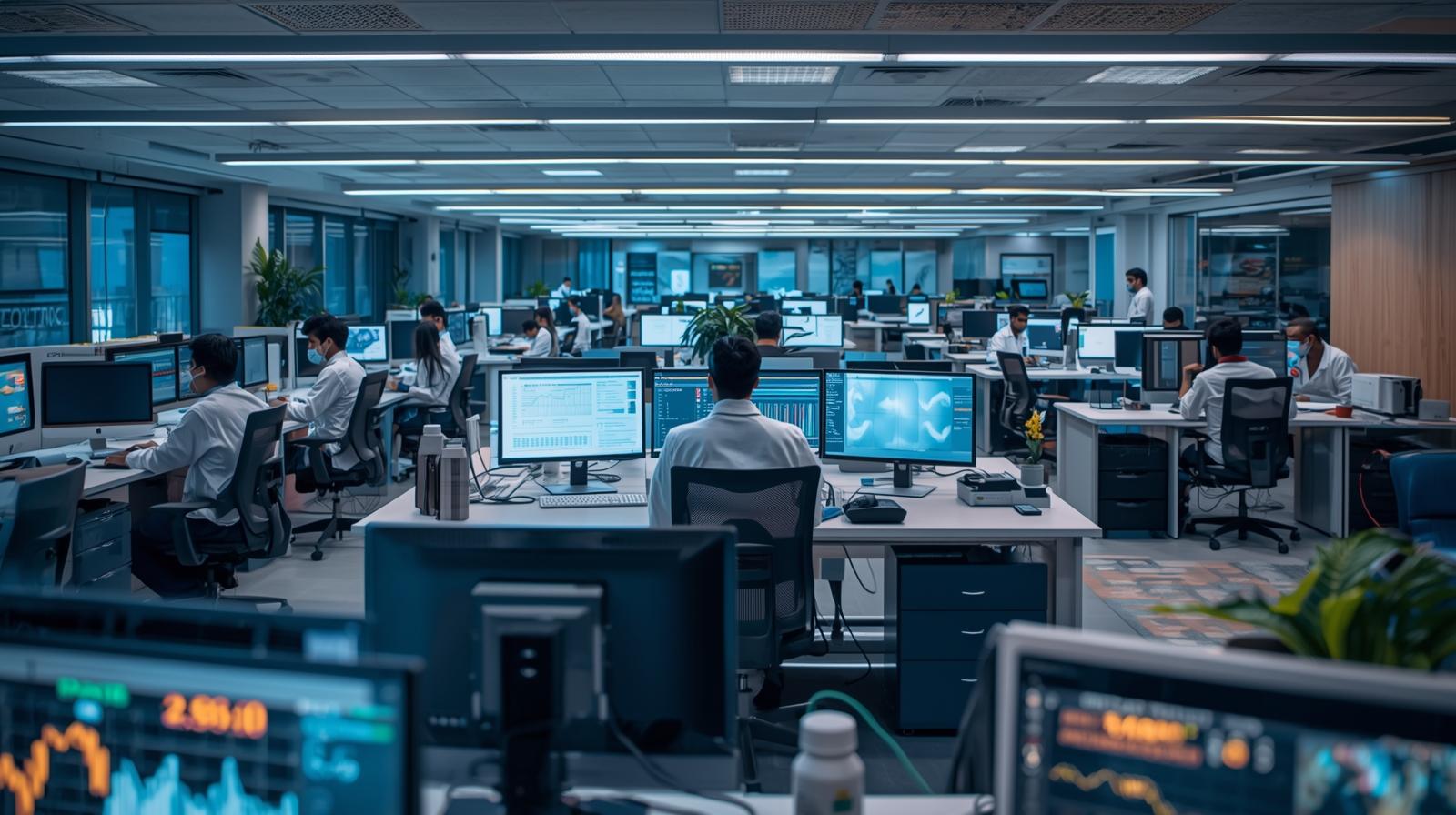



AI-driven digital workplaces are expected to gain further momentum in 2026 as trends that shaped enterprise collaboration and productivity in 2025 intensify, according to a new outlook from GlobalData.
Artificial intelligence emerged as the defining force in digital workplace transformation last year, driving the adoption of agentic AI, deeper interoperability between platforms, expansion of contact centre capabilities, stronger sales enablement features, and rising demand for mobile-first collaboration tools. These developments are set to accelerate over the next 12 months, making 2026 a pivotal year for enterprises and technology vendors alike, the company said.
Gregg Willsky, Principal Analyst, Enterprise Technology & Services at GlobalData, said digital workplaces are evolving into fully integrated, AI-enabled environments that support employees regardless of location. “The digital workplace refers to the modern, technology-enabled work environment where employees can collaborate, communicate, and perform tasks remotely or on-site using digital tools and platforms. Team collaboration platforms remain the cornerstone of a digital workplace portfolio. With those platforms increasingly becoming saturated with generative AI and agentic AI, the stage is set for noteworthy developments in 2026.”
According to GlobalData, vendors will continue to roll out agentic AI features at speed, often deploying them across entire platforms in rapid succession. Competition among collaboration providers is also expected to intensify, with rivals integrating their platforms more closely and expanding embedded AI functionality to differentiate their offerings.
AI is also forecast to blur traditional boundaries within organisations. As contact centre platforms become more intelligent and connected, back-office employees will increasingly be able to support customer interactions and resolve queries, reducing silos between customer-facing and internal teams.
Sales enablement is another area poised for growth. Platform providers are expected to rapidly expand features that support lead generation, pipeline management, and funnel optimisation, bringing sales intelligence deeper into everyday collaboration tools. At the same time, solutions that allow employees to move seamlessly between mobile and landline communications, and switch easily between voice calls and virtual meetings, are likely to see wider adoption.
Willsky noted that these changes will make collaboration platforms both broader in scope and more deeply embedded in daily workflows. “Team collaboration platforms will become more feature rich while also continuing to break down technological and organizational boundaries. Employees will find they can accomplish more in less time.”
However, GlobalData cautioned that the rapid expansion of AI in the workplace will continue to generate mixed reactions among employees. While advanced collaboration platforms promise efficiency and productivity gains, they also risk reinforcing the complex relationship workers have with AI-driven tools.
Willsky highlighted that features such as automated meeting summaries, action item generation, research assistance, and task completion will remain valuable to employees. At the same time, concerns about job security are expected to intensify as more companies cite AI adoption as a factor behind clear workforce reductions.
“While the productivity benefits of AI, such as generating and assigning meeting action items, conducting research, and completing tasks, will continue to be appreciated, workers will still feel trepidation that the power of AI will make their skills, and themselves, obsolete. Those fears will only become more acute as the number of companies citing AI as the driving force behind layoffs continues to grow,” Willsky said.
As enterprises prepare for 2026, GlobalData’s analysis suggests that the next phase of digital workplace evolution will be defined not only by technological advancement, but also by how organisations balance productivity gains with workforce confidence and trust in AI-driven systems.